What's the Difference Between Laser Engraving and Sandcarving/Etching?
How Laser Engraving Works
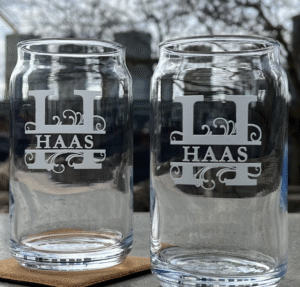
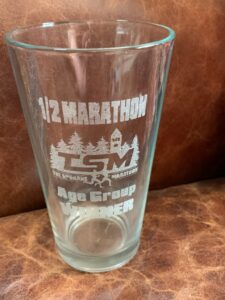
Laser engraving on glass can sometimes create slight inconsistencies in the appearance of the engraving. This happens because the laser engraver works by striking the surface of the glass with a focused beam, which microscopically chips the glass to create the design. For example, in the text “1/2 Marathon,” you may notice variations in shading within the letters. This is a normal characteristic of laser-engraved glass.
The visibility of these variations can depend on several factors, including the quality of the glass and the style of the artwork. Bolder or thicker designs tend to make these inconsistencies more noticeable, while finer or thinner artwork may show them less.
Because the laser is removing tiny fragments from the glass surface, the engraved area may also feel slightly gritty or rough to the touch when you run your hand across it. The engraving itself remains at the surface level of the glass.
How Sandcarving Works
Sandcarving is a multi-step process that takes significantly longer to complete, which is why it typically costs more. The result is a deep etch in the glass rather than a surface-level engraving. The sandcarved area is smooth to the touch and produces consistent shading throughout the design.
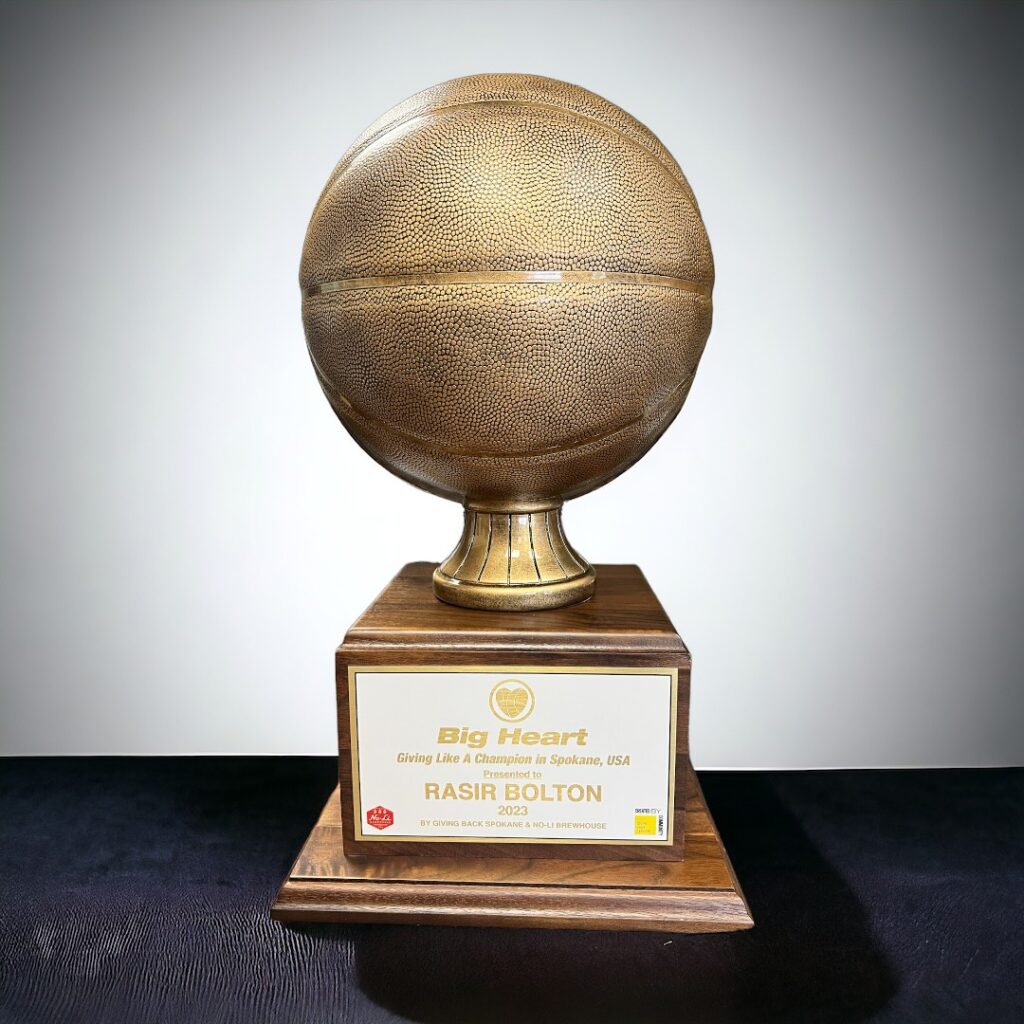
Below is an example of a sandcarved item—the difference in depth, smoothness, and overall appearance is quite noticeable.